

















































It’s impossible to talk about the new Sense and Sensibility without talking about the old one. Ang Lee’s 1995 adaptation, with Emma Thompson and Kate Winslet at its centre, has become something of a modern classic. Even after three decades it remains sumptuous, witty and deeply romantic. Yet enough time has passed to justify filmmaker Georgia Oakley taking on the formidable task of introducing Jane Austen’s Dashwood sisters to a new generation. Thankfully, she’s more than up to the job.
This new Sense and Sensibility imbues Austen’s romantic world with a more earthy texture. The film moves between polished interiors and the more rugged realm beyond their walls, where the Dashwood sisters roam through fields and forests, gowns snagging on the undergrowth and hair working itself loose. Oakley finds beauty in both, creating a moodier, more naturalistic spin. The contrast makes the social restrictions of the period feel all the more stark, while grounding Austen’s story in a landscape as unruly as the emotions of the women within it.
Get more Little White Lies
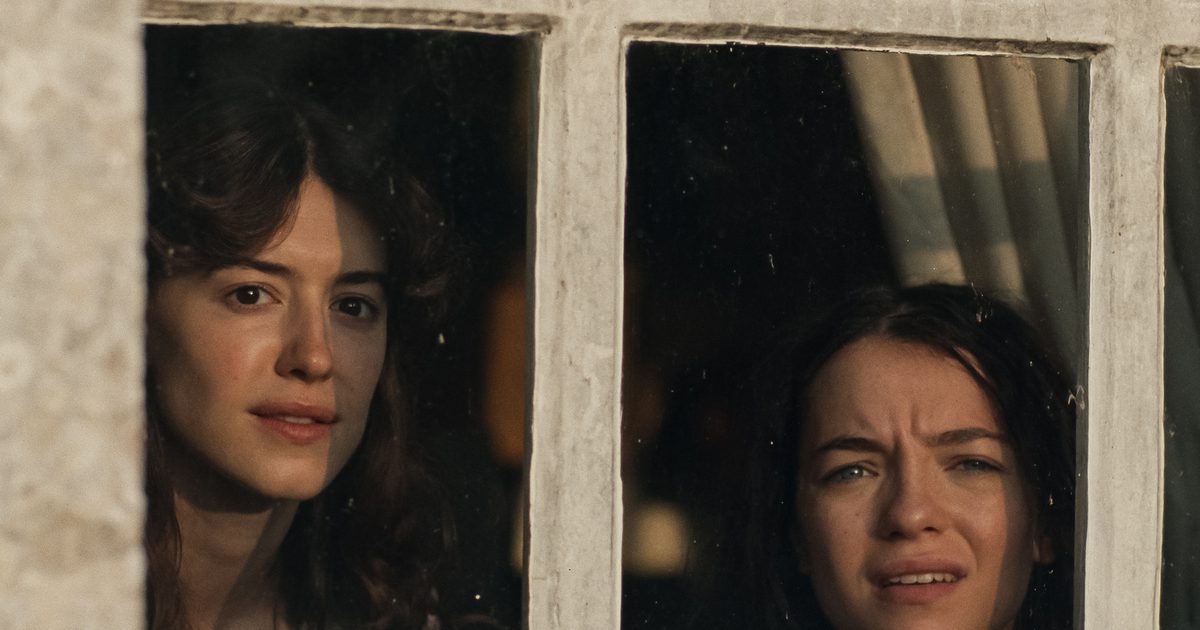
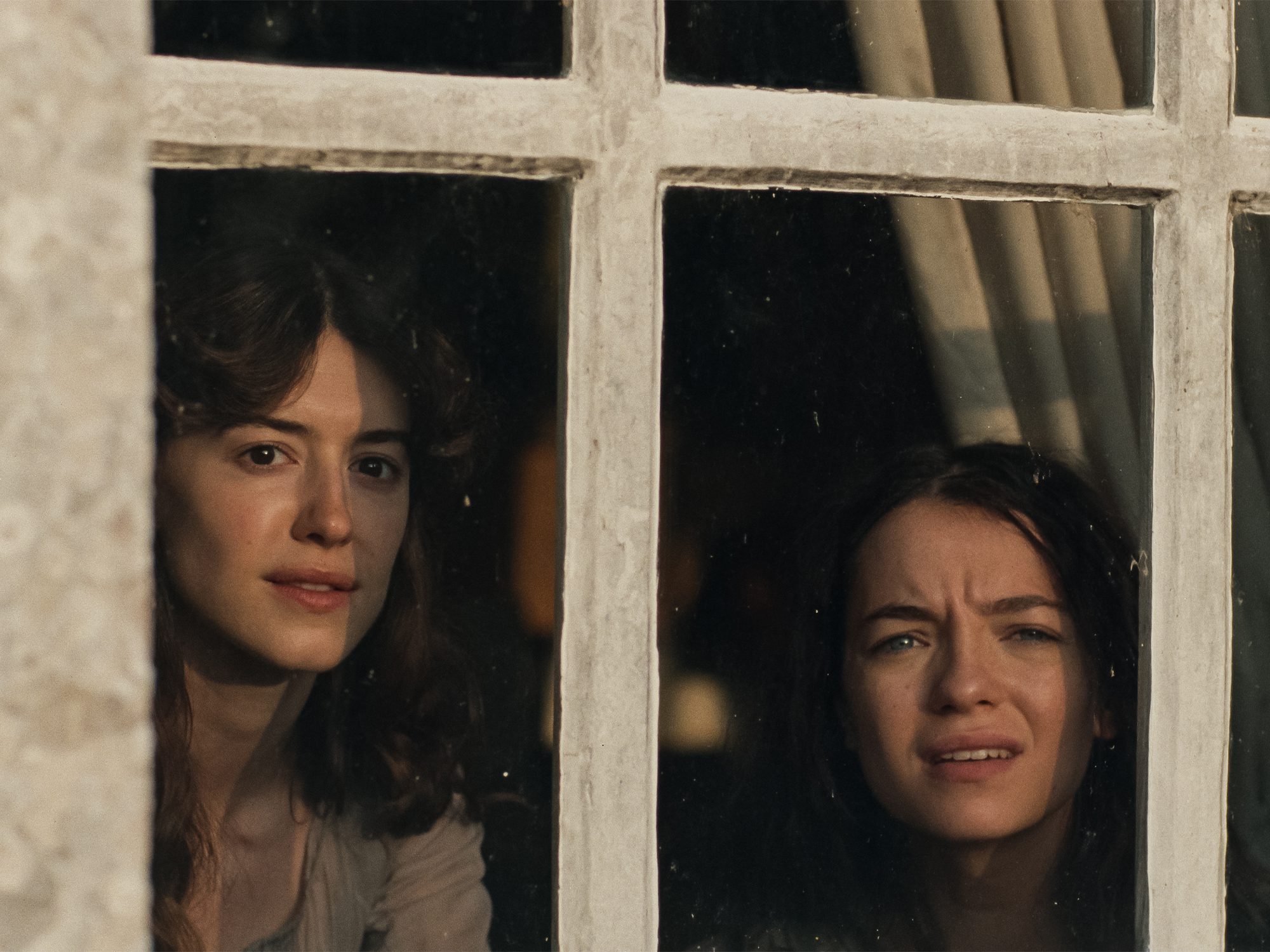
When their father dies, sisters Elinor (Daisy Edgar-Jones), Marianne (Esmé Creed-Miles) and Margaret (Bodhi Rae Breathnach) are left with their mother and little financial security. Their half-brother John inherits the family estate, leaving the Dashwood women entirely dependent on the generosity of relatives. They eventually settle in a modest cottage in Devon, where Elinor attempts to adapt to their new circumstances and Marianne insists that life owes her more. Their contrasting approaches to love are what drive the story. Elinor keeps her feelings for Edward Ferrars (George MacKay) largely to herself, while Marianne throws herself at John Willoughby (Frank Dillane) only to suffer the consequences.
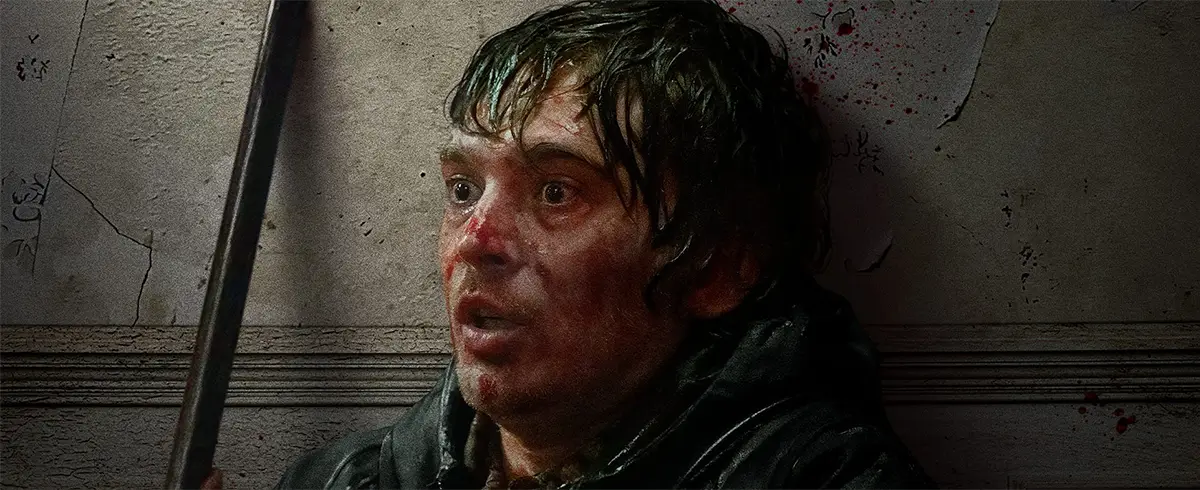
The film’s men, in true Austen form, are a wonderfully frustrating bunch. MacKay plays Edward with such restraint that he feels slightly out of reach, while Dillane brings a slippery charm to Willoughby that makes Marianne’s attraction to him immediately understandable. Herbert Nordrum has big shoes to fill as Colonel Brandon after Alan Rickman’s towering original, but finds a brooding dignity of his own. Fiona Shaw provides a welcome release from all this repression as Mrs. Jennings, whose enthusiasm for matchmaking and complete disregard for discretion injects some much-needed comic chaos into the Dashwoods’ lives.
In many ways, the film belongs to Creed-Miles. Her Marianne is wild, vivacious and gloriously unguarded. Edgar-Jones is more reserved as Elinor, whose instinct is to keep everything firmly under wraps. It’s a role that naturally leaves less room for flamboyance, but Edgar-Jones’ familiar register of quiet composure can leave her feeling muted beside her sister. Still, the bond between the two elder Dashwoods proves the film’s real love story, a tender, tumultuous sisterhood that both actors clearly treat as the main event.
It’s tempting to measure any new Sense and Sensibility against Lee’s beloved blueprint, but Oakley has no interest in competing with it. She approaches Austen on her own terms, producing a rawer, rougher edge rather than trying to imitate its predecessor. In doing so, she finds something unexpectedly current in a story about young women navigating the expectations of Regency society. Some may ask why the world needs another Austen adaptation, but perhaps we need it now more than ever.