














.png "Katie Alice Greer Announces New Album, Shares “Unglued”")


















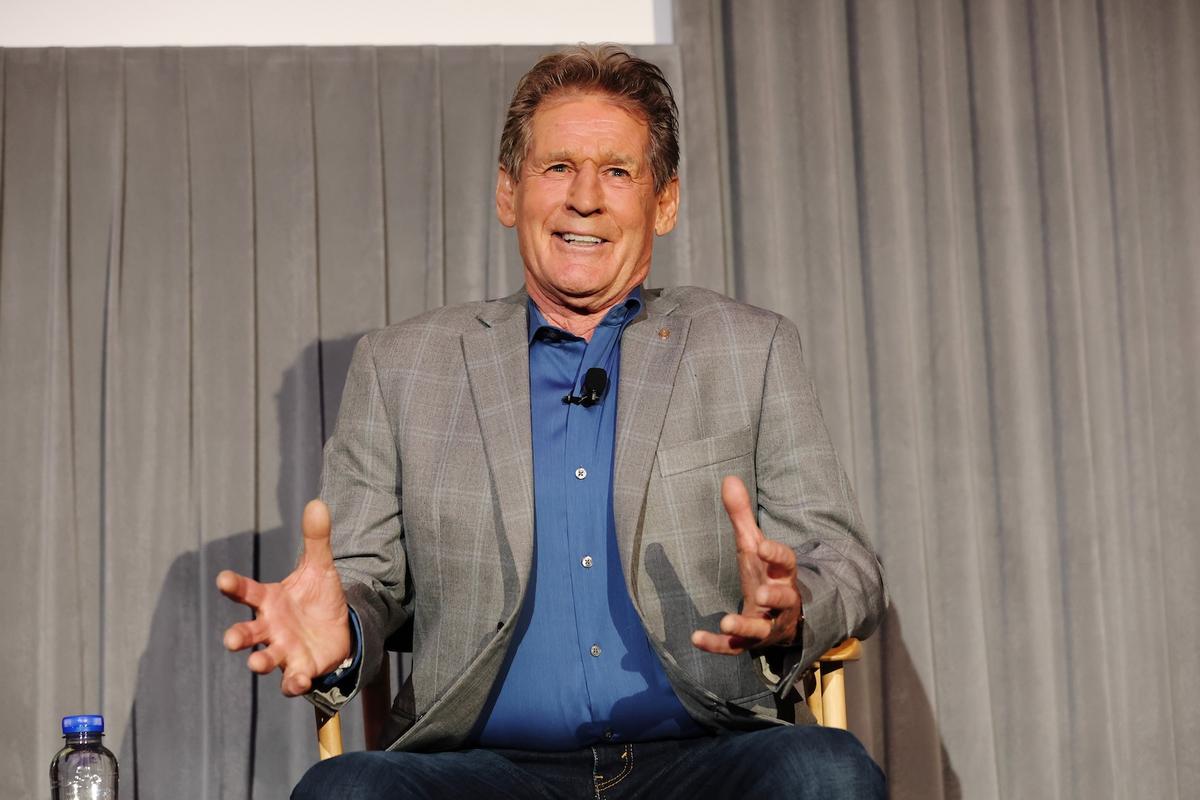
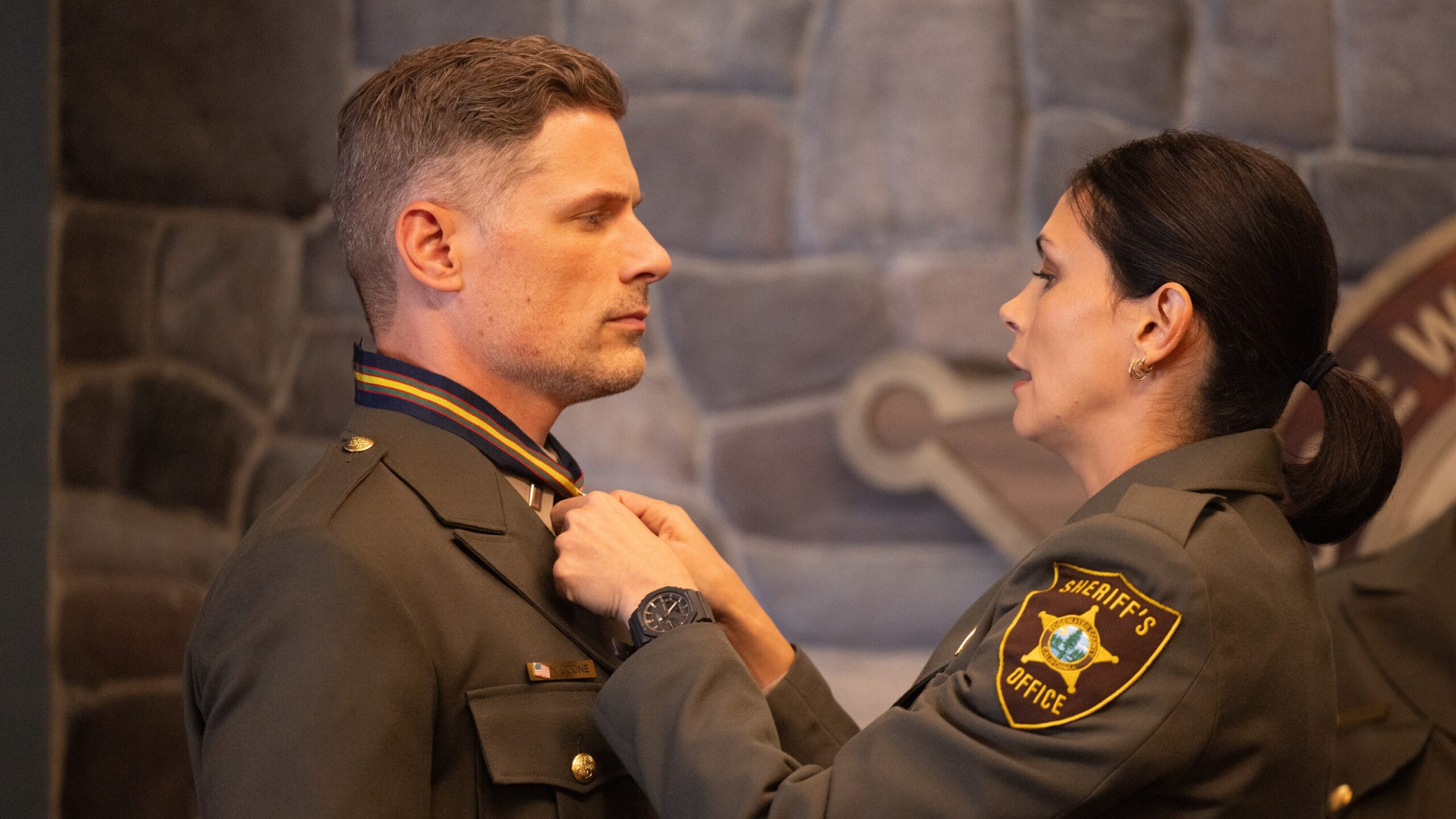
I was honored to have a chat with Robert Patrick today, and while we talked, something hit me, and not in a “oh fun twist!” way.
He was talking about how setting Jeremiah on fire changed Dwight as a character. And until that conversation, I had missed a significant, full-circle element of Dwight so far.
Our chat gave me that disconcerting little jolt you get when you suddenly see something you’ve been half-ignoring all season because the show was doing such a good job distracting you with charm.

Of course, my conversation with Robert will come later. It’s a good one. But I couldn’t let this topic go. It’s too unsettling not to bring to the surface while we’re still all wrapping our heads around the events of Tulsa King Season 3 Episode 10.
So what’s got me bothered? The fire. That damn fire. And something Robert said to the effect of setting Jeremiah on fire showed how brutal Dwight really can be.
And just like that, the floodgates opened, and I realized why that fire bothered me so much. I knew why it was sticking in my craw and wouldn’t let go.
Because here’s the thing. Dwight is incredibly likable; he’s funny in that dry, slightly irritated way I relate to far too much.
He’s good with people, he’s good with animals, he’s loyal in that selective Mafia brotherhood way, and he’s somehow managed to build an entire second life in Tulsa by sheer force of personality.
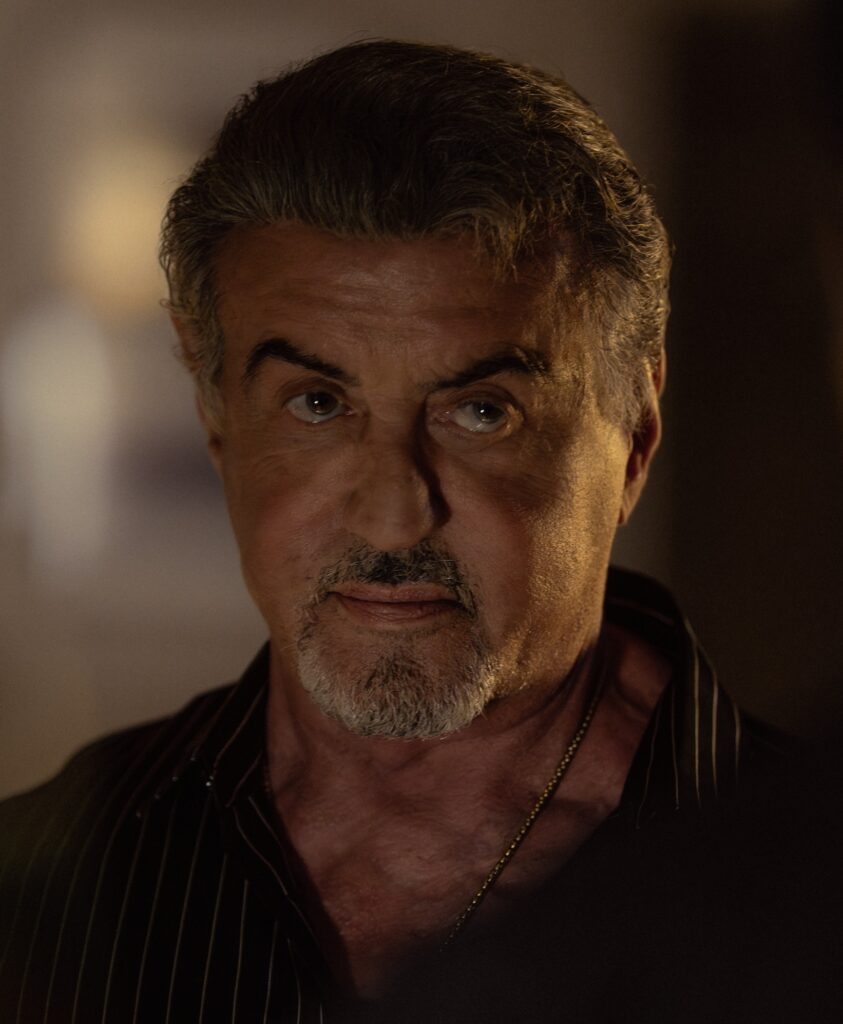
It’s incredibly easy to root for him, and the show knows it. I mean, it’s Sylvester freakin’ Stallone. He’s a hero on screen, full stop.
But when you strip away the charm for five minutes and actually look at his actions — and I mean really look — the finale reads very differently.
Dwight killed Jeremiah in the exact kind of death he once refused to let another man suffer, and there’s nothing subtle about that parallel.
Years ago, when he found a man chained to a radiator in a burning house, Dwight shot him because he couldn’t stand the thought of him burning alive.
That’s mercy, that conscience is one of the things we’ve told ourselves separates Dwight from the “monsters.” It was a significant story choice to show us Dwight’s character.
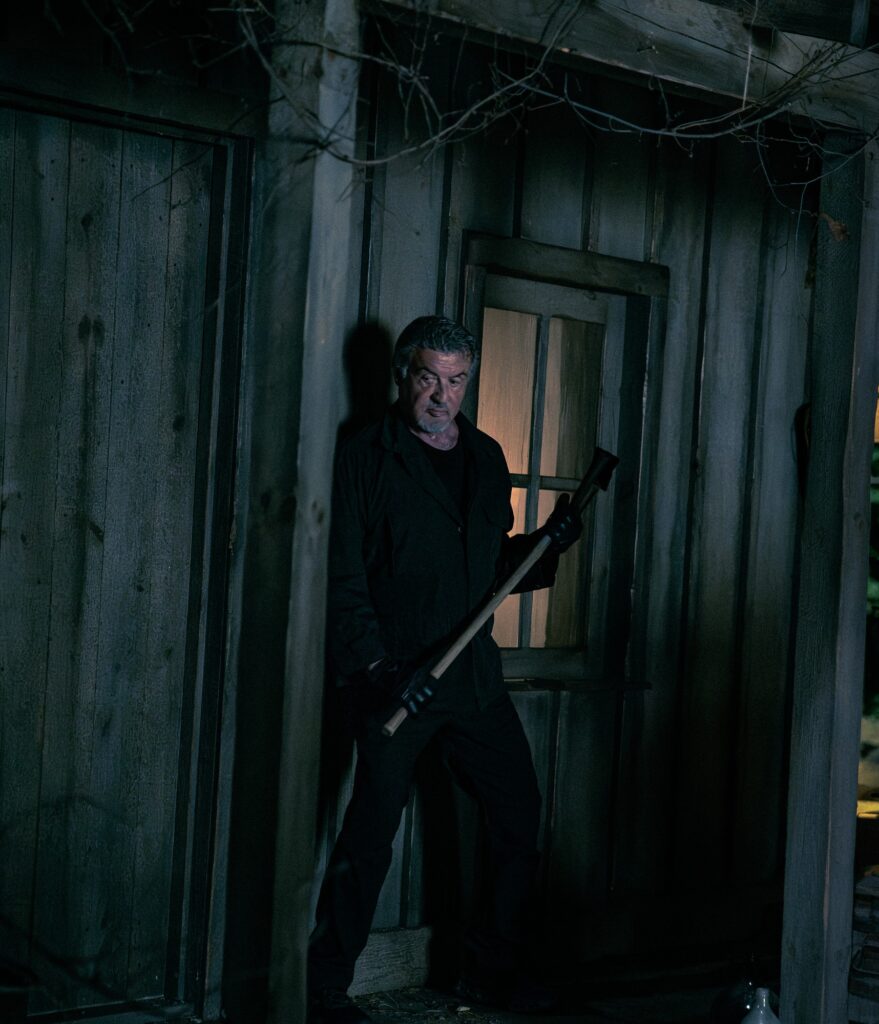
But now, all these years later, he chose that very same horror for someone else — deliberately, decisively, and without hesitation.
And yes, Jeremiah was a mean and vengeful man. He kidnapped Joanne. But it’s not as though Jeremiah was torturing her; he fed her. He terrified her, sure, but he didn’t harm her.
Meanwhile, Dwight drags men into graves, buries them alive, suffocates them, beats them, shoots them, immobilizes them, and, when the mood strikes, sets them on fire.
We’ve all been so busy enjoying the ride that we haven’t stopped to ask whether Dwight is actually morally superior to the people he kills — or whether he’s simply the more charismatic one.
Is he a Dexter Morgan, trying to filter his internal demons in the only way he possibly could, or is he something else entirely?
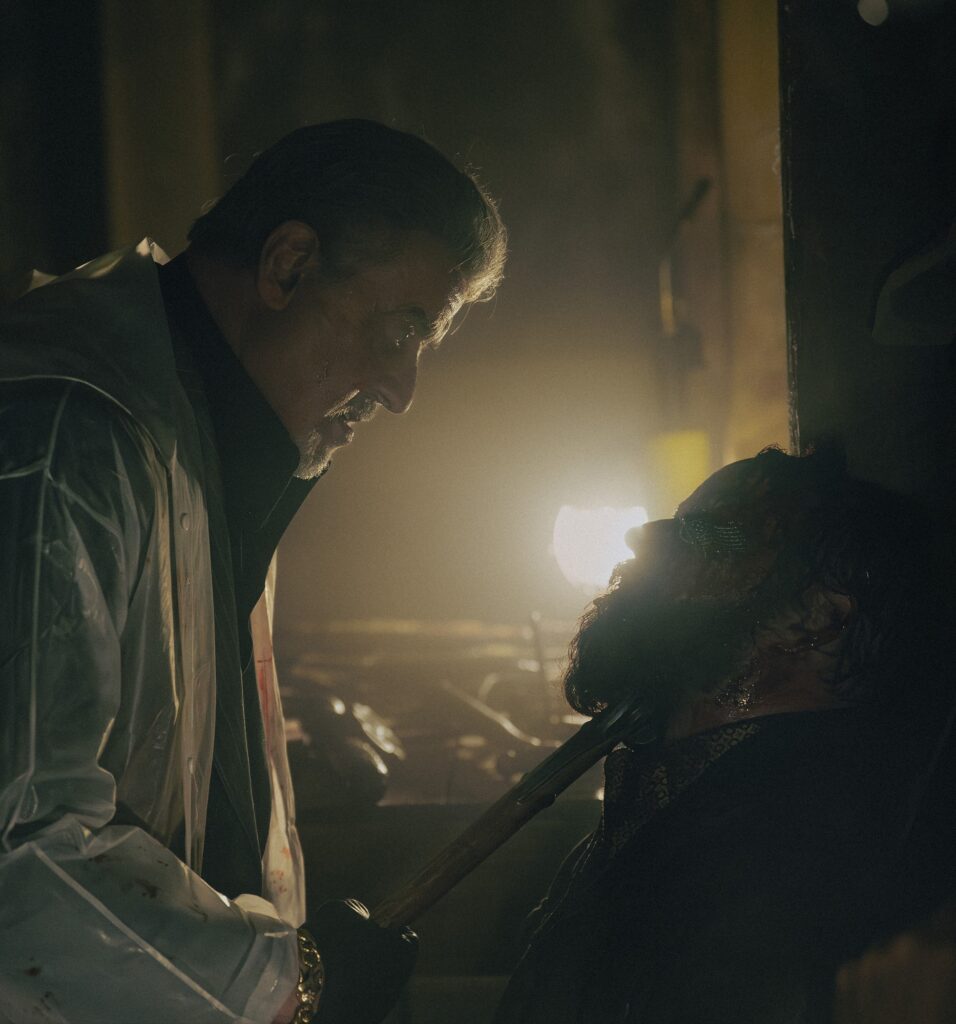
That’s where Tulsa King gets interesting, because the show wants us to believe Dwight is guided by some kind of internal code — a “loyalty above all” sort of thing — but when you actually map out who he kills and why, the pattern doesn’t look principled at all. It looks personal.
The Watchmaker was supposed to be arrested. Agent Musso wanted him cuffed, tried, and confronted. He wanted him forced to face the families whose lives he destroyed.
But Dwight decided the courts weren’t good enough and buried the man alive with a corpse, ensuring the families never got one ounce of closure beyond his word that the job was done.
That wasn’t justice. That was Dwight deciding what justice should look like.
Fast-forward to Jeremiah.
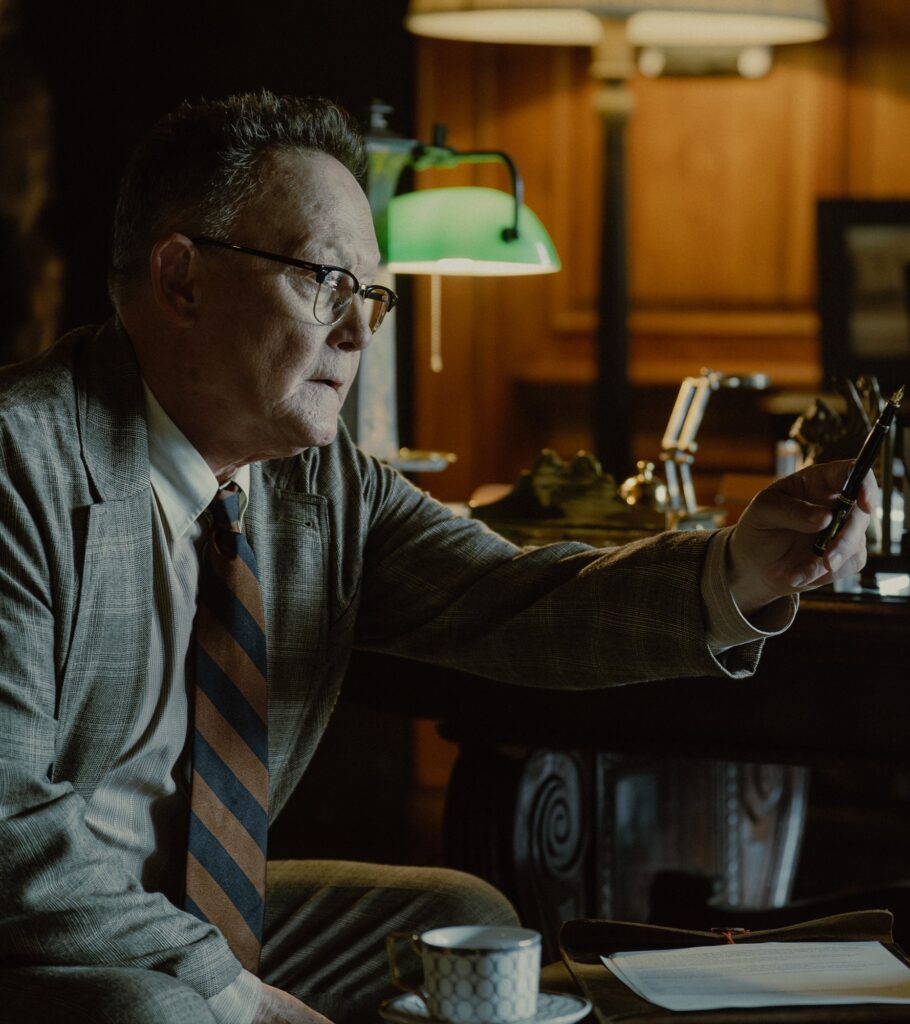
What exactly did Jeremiah do that’s worse than what Dwight has done for decades?
Is kidnapping Joanne awful? Absolutely. But his endgame wasn’t torture or execution — it was leverage. It was his twisted, God-soaked way of holding onto power. And Dwight responded by giving him the worst death possible — the exact death he once refused to inflict on another human being.
Yes, Jeremiah ordered that done to his friend, Cleo’s father. I think. Did he order that specific death, or did Cole’s goons just carry it out as such? I’m honestly not sure.
But I am sure that Dwight could have been the bigger man, remembering how, once upon a time, such a death wasn’t to be inflicted on his worst enemy.
So what changed? Has Dwight hardened? Has age stripped something away?
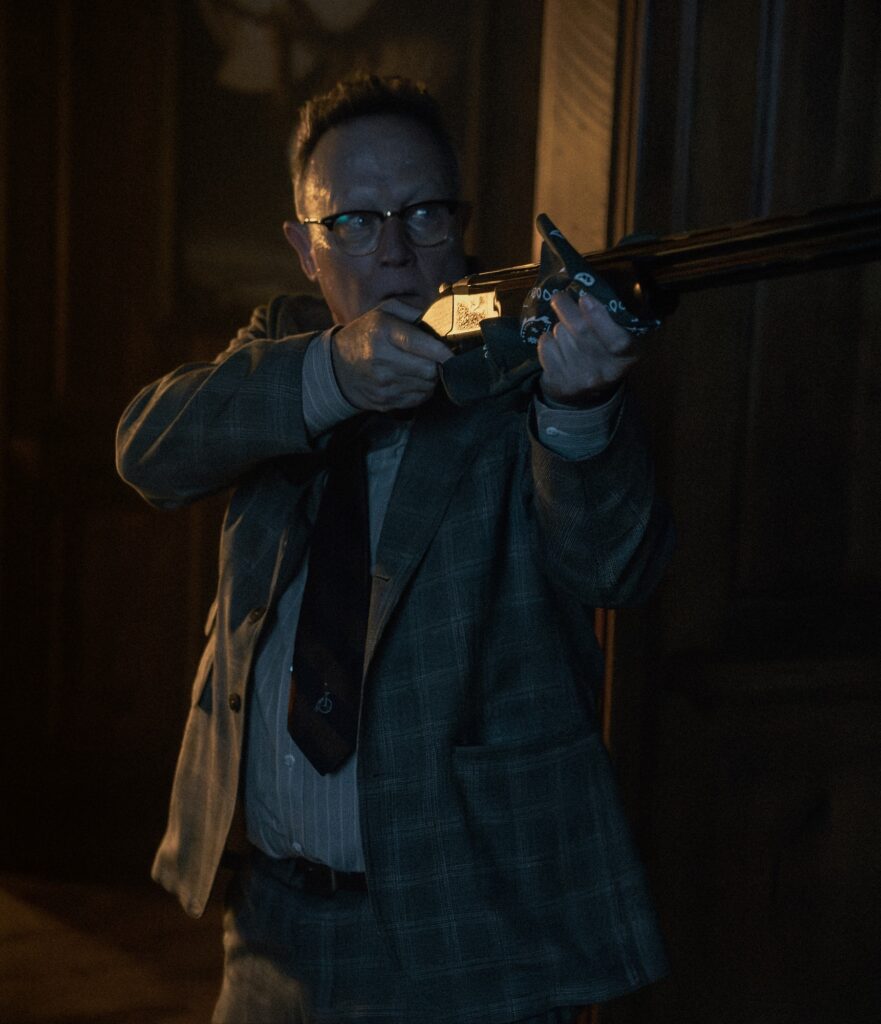
Or — and this is the uncomfortable one — has he always been this man, and we’ve just been too charmed to notice?
Because when you think about it, Dwight’s violence is rarely measured, rarely merciful, and rarely proportional. It’s not guided by a code so much as guided by emotion.
Touch someone he cares about, and you’re done. Stand in his way, and you’re done. Threaten his peace, his relationship, his plans for a nicer, gentler life in Tulsa, and you’re definitely done.
He doesn’t mete out justice, he metes out ownership, which puts us in a funny little moral corner, doesn’t it?
Because Jeremiah believed he was chosen by God, but Dwight believes he’s chosen by… Dwight.
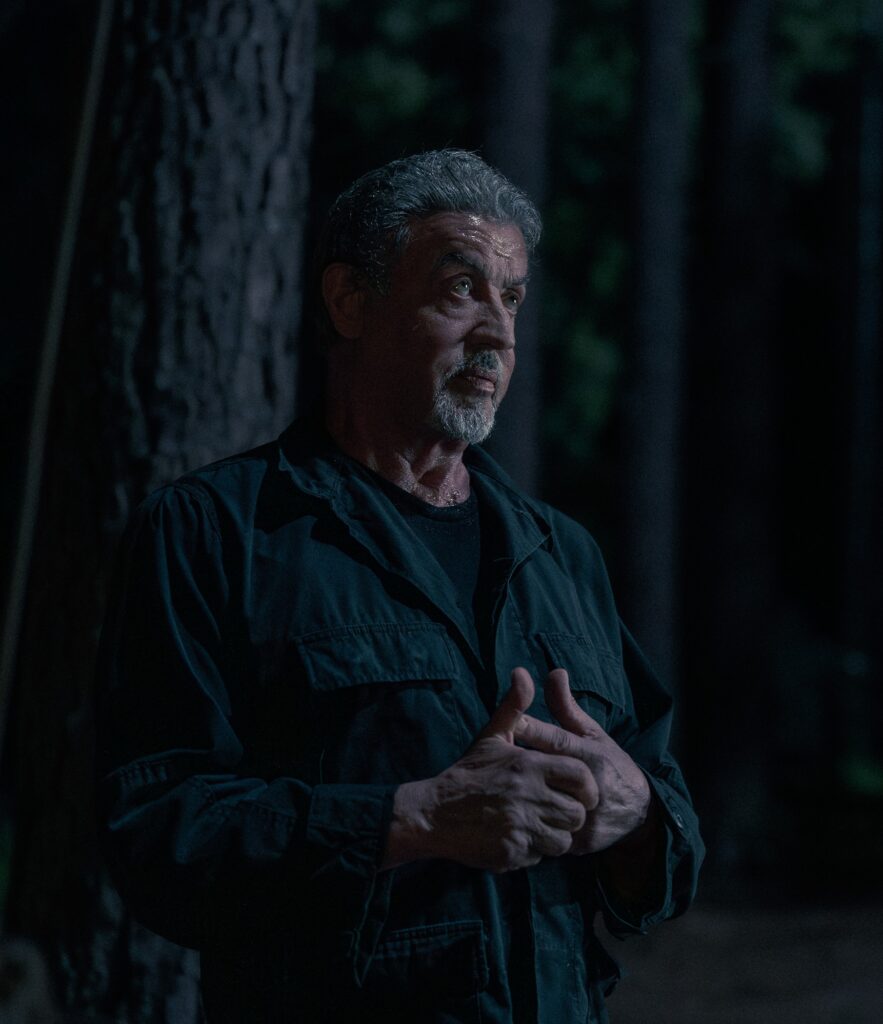
Strip away the charm and the twinkle and the dad-joke sarcasm, and suddenly the difference between Jeremiah and Dwight isn’t their brutality, it’s their branding.
It pains me to see how Jeremiah treated Cole. But what the hell happened to Tina? She wanted a relationship with her father after decades apart, and she’s been sent back to NY, never to be heard from again.
From her perspective, does that make him a better father than Jeremiah? I can’t imagine she’s thrilled with their father-daughter relationship at this point.
So, just who is Dwight Manfredi? Who is the guy we’re cheering on as Bad to Bone plays in the background?
There was something niggling at the back of my brain after the Tulsa King Season 3 finale, and it was related to the fire. As it turns out, though, it wasn’t the fire itself, but what it represented.
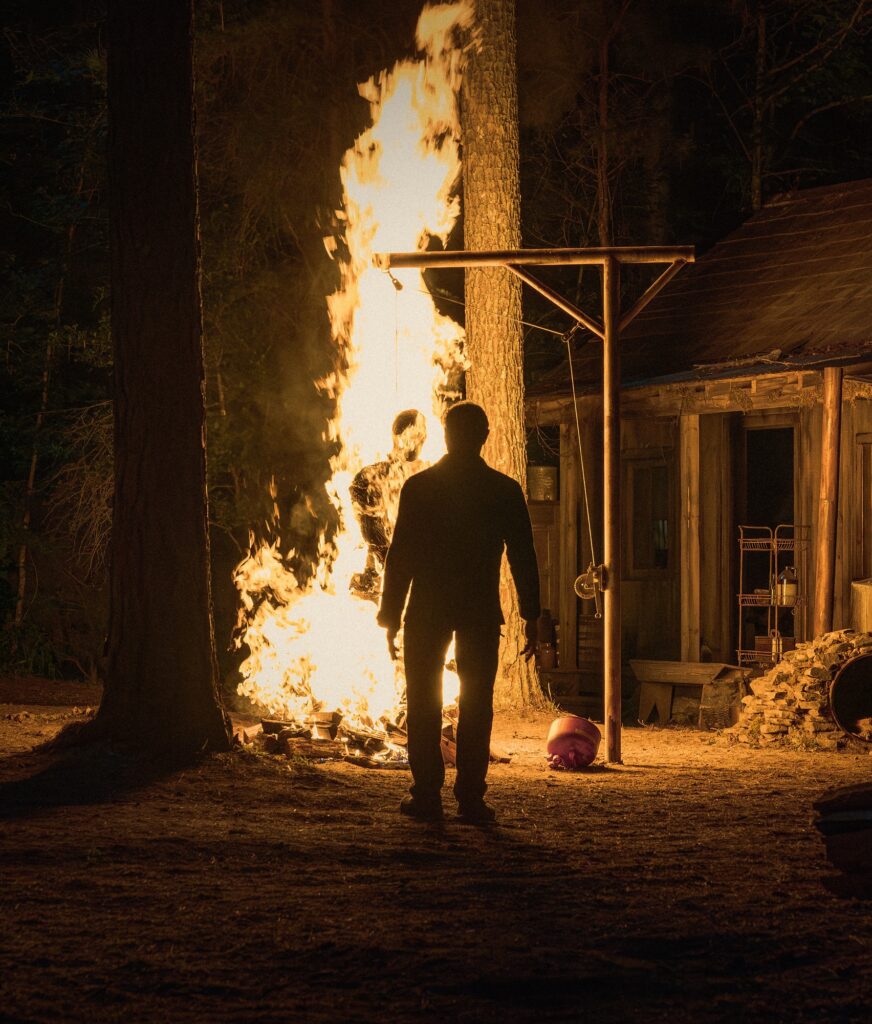
The question of who Dwight really is when you stop letting his charisma fill in all the moral blanks is the true conundrum.
Because if there’s a line Dwight won’t cross, I haven’t found it yet. And I’m not sure the show wants us to look closely enough to see whether one even exists.
After all, with Jeremiah still in flames, Dwight and his gang were raising a glass at the Bred-2-Buck for another job well done.
And maybe to that I say… yikes?
But what about you? Did you make that connection? Was it gnawing on you like it was me?
I’m looking forward to hearing what you think, so drop your thoughts in the comments below!
-
Why Dwight Fighting Fire with Fire Changes the Future of Tulsa King
Dwight’s brutal choice in the Tulsa King finale echoes a past he once rejected — and raises the question of who he really is beneath the charm.
-
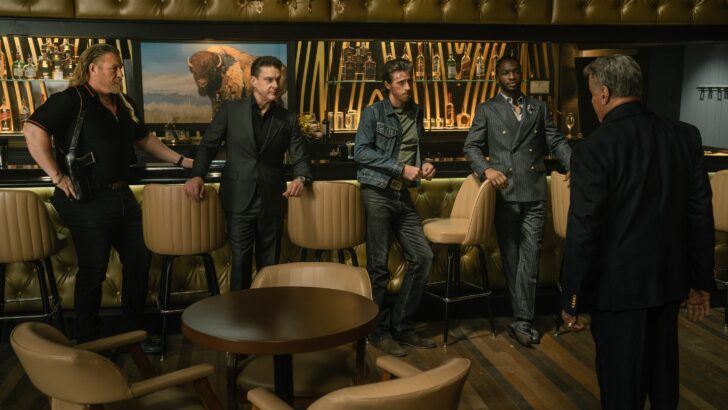
Tulsa King Season 3 Episode 10 Brings the Chaos Full Circle
Tulsa King Season 3 winds down with chaos, fire, and zero consequences. It’s nothing but a good time, and we’re OK with that.
-
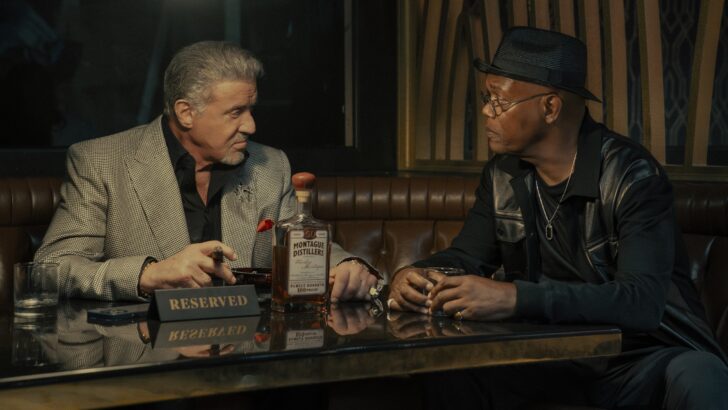
Tulsa King Season 3 Episode 9 Recap: Dead Weight… and the People Dragging It Around
Tulsa King Season 3 Episode 9 slows the pace to introduce Samuel L. Jackson’s Russell Lee Washington Jr. and stir up every simmering rivalry before the finale.
The post Why Dwight Fighting Fire with Fire Changes the Future of Tulsa King appeared first on TV Fanatic.