









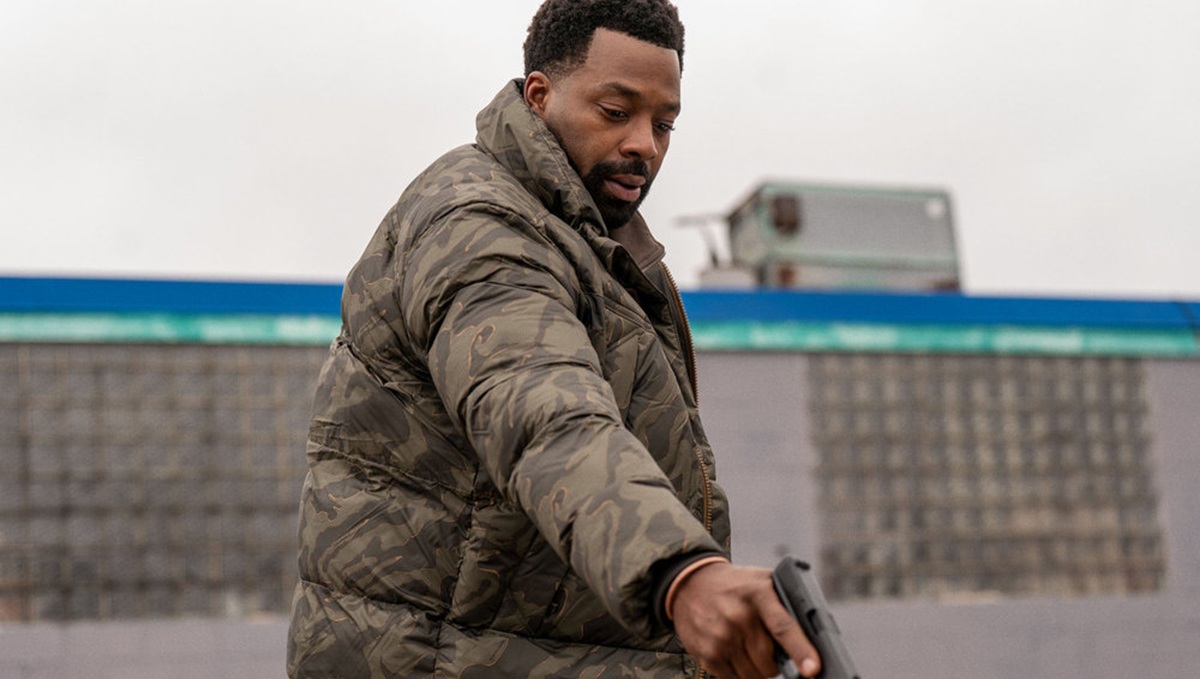
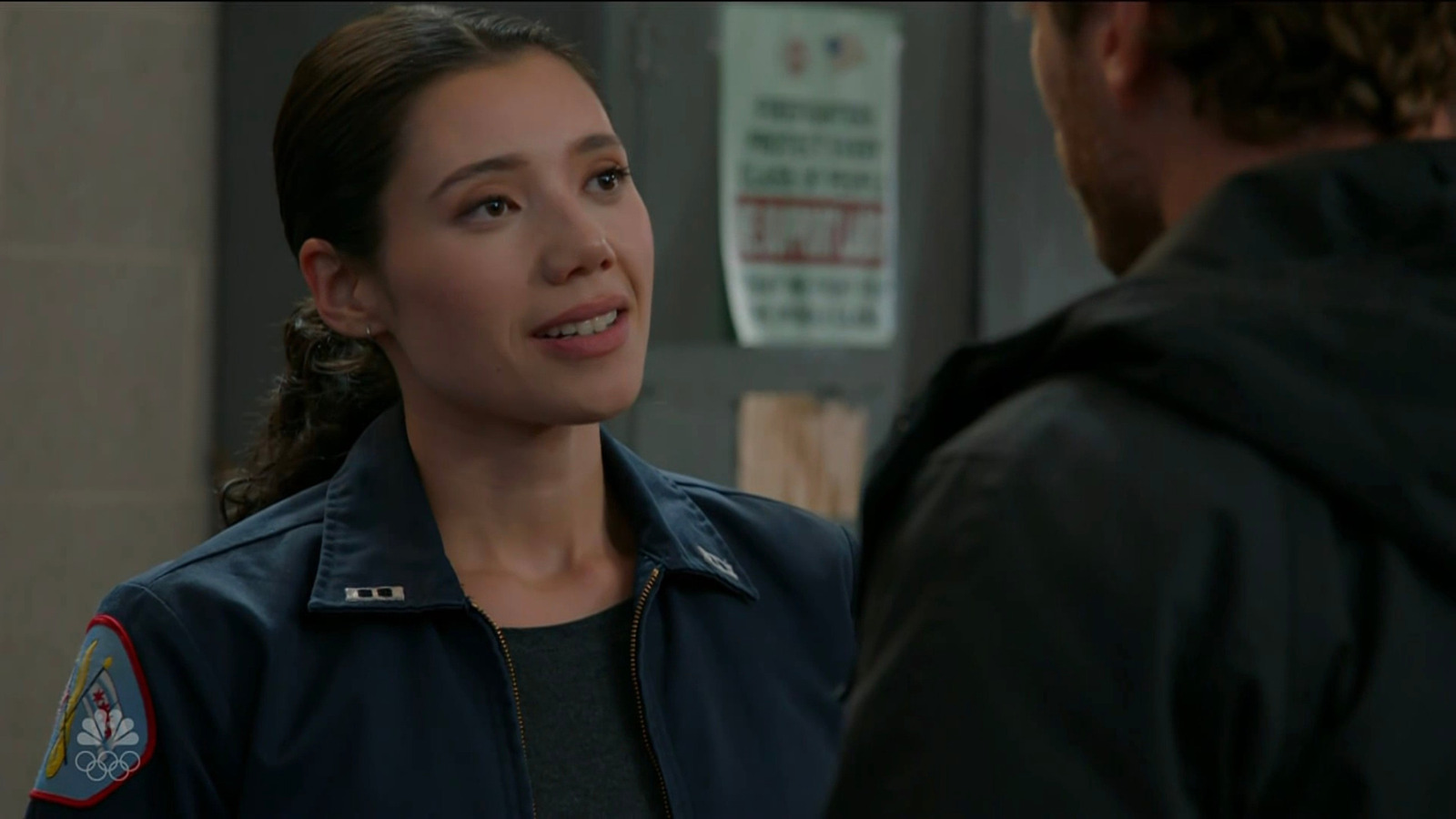
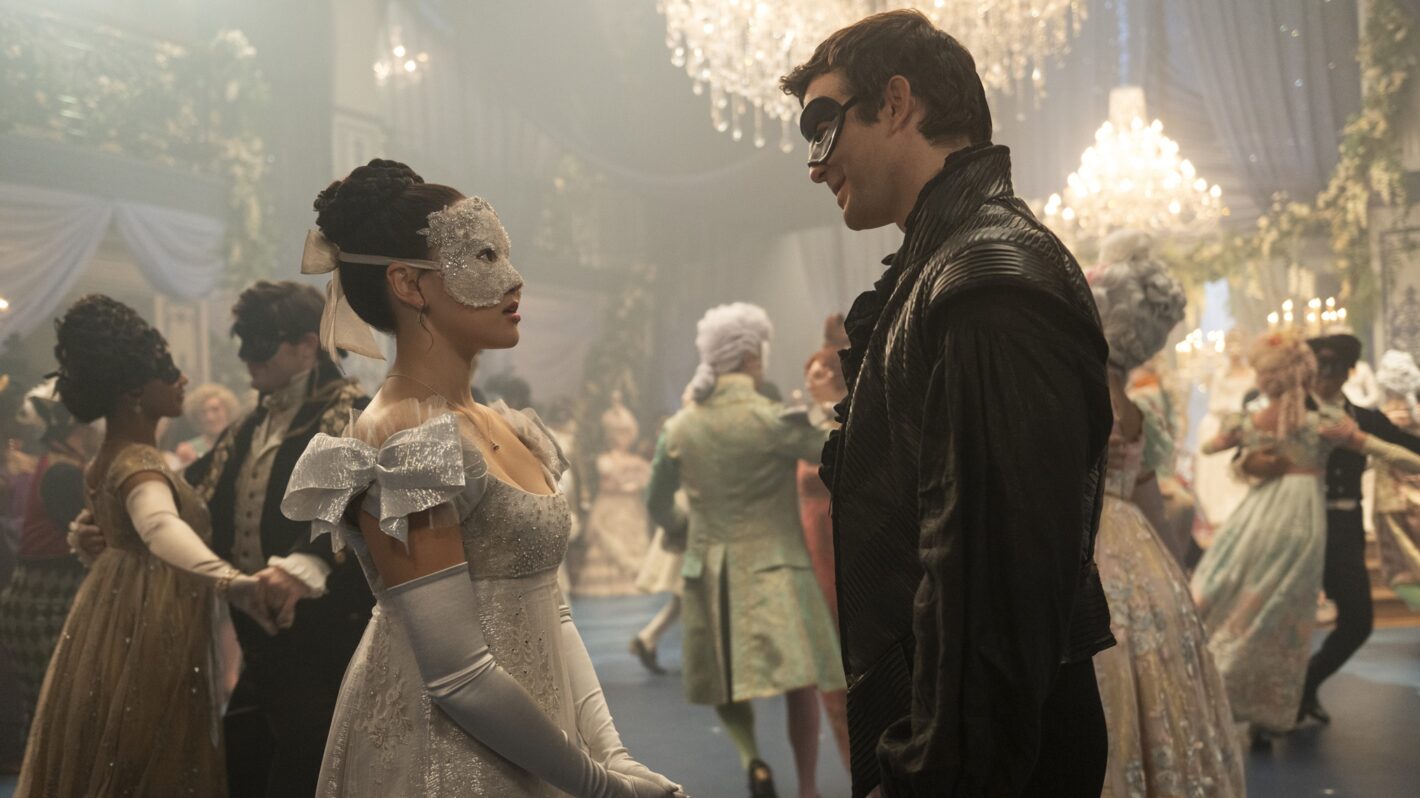
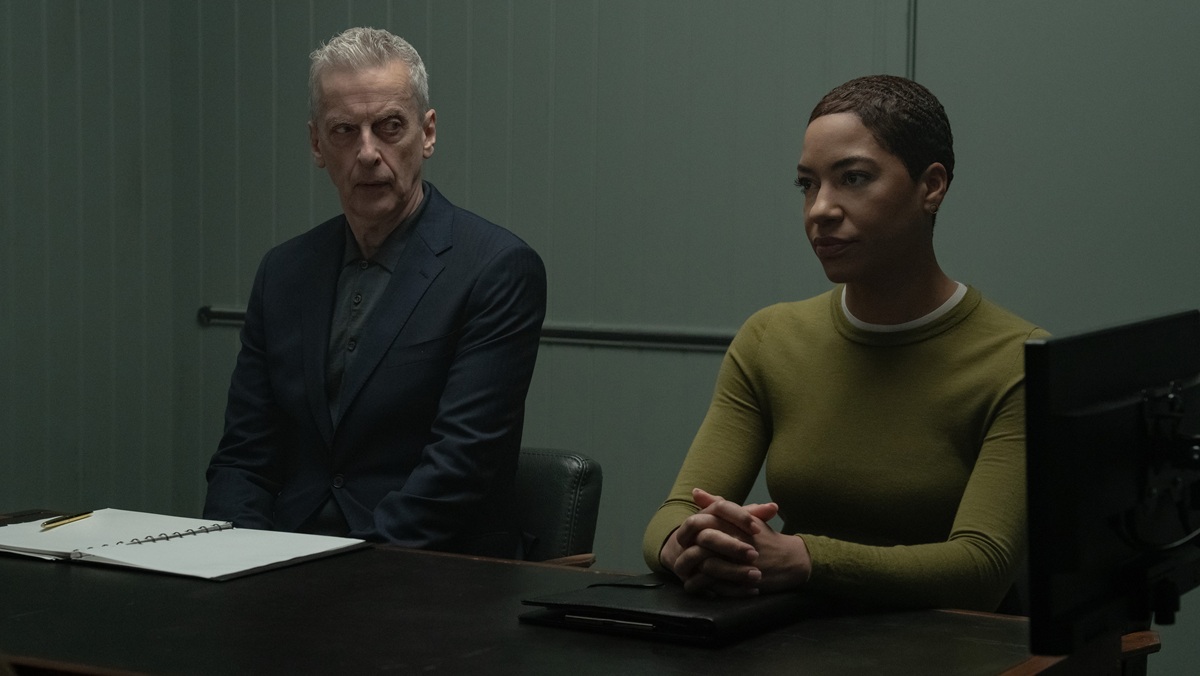





















There are scenes within film and television that are defined by their lighting – a quality that becomes a cornerstone before actors even speak their first line. Gaffer and lighting technician Jon Haney cut his teeth on films like Titanic and The Negotiator, and quickly came to understand the importance of an element in visual media that’s crucial but often overlooked.
Over the last three decades, Haney has become an integral part of designing lighting for television shows including CSI: Crime Scene Investigation, Grey’s Anatomy, and How to Get Away with Murder, and witnessed his profession change with the rise of streaming.
Get more Little White Lies
LWLies: There were many Directors of Photography credited on the 15 seasons of CSI, but you remained. What was the collaboration dynamic over the course of the series? As the gaffer who was there from the beginning, you clearly brought consistency.
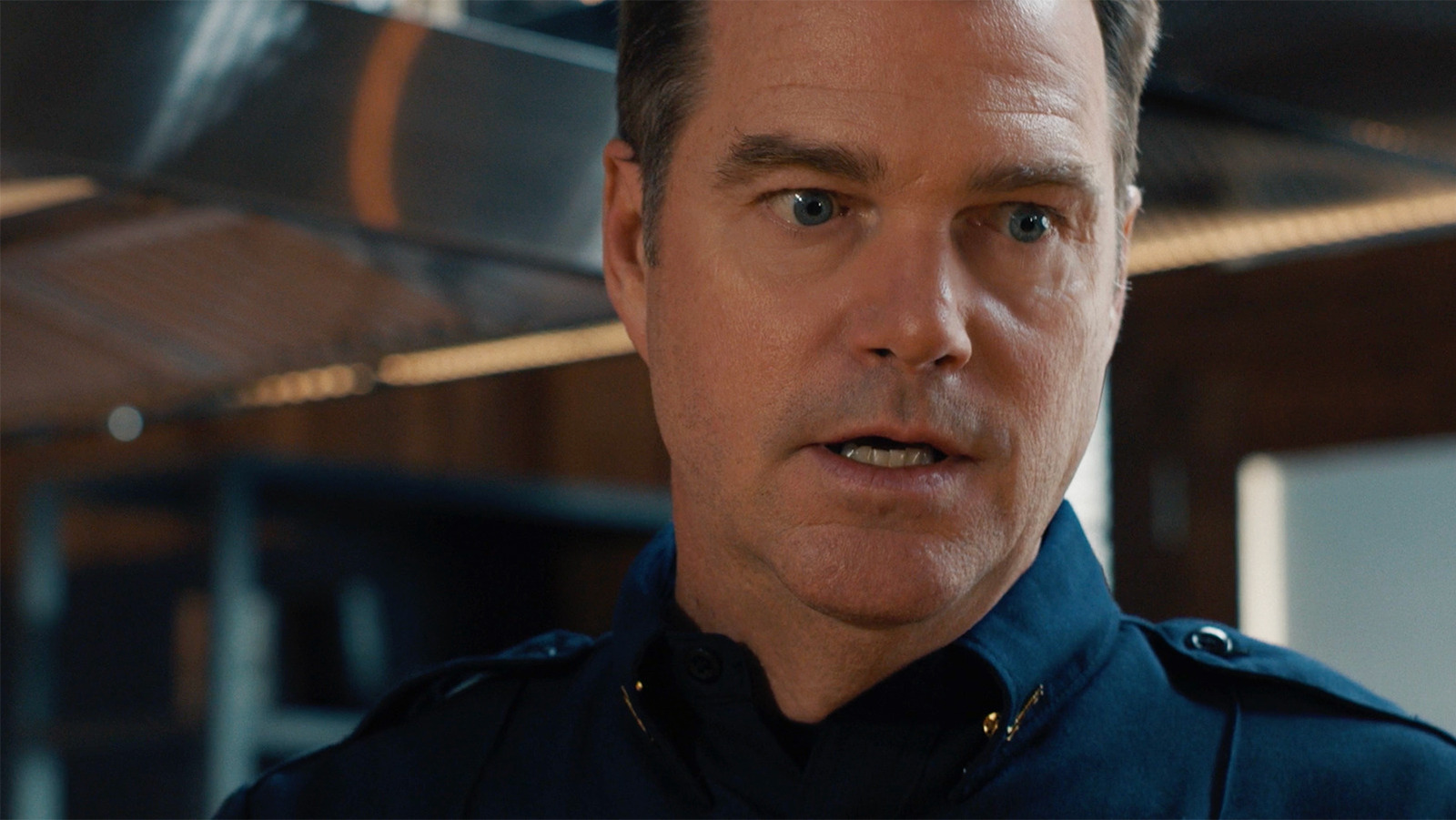
Haney: The initial plan from the producers, mainly Jerry Bruckheimer, was to make this a really contrasty show. This was a CSI working all night long. We wanted to get that feeling of darkness and serious mystery. Danny Cannon, who directed the pilot and many episodes, was also an executive producer on the show and was highly creative. He helped design these glass sets stretching roughly 130ft. You see through each room, revealing layer upon layer of light. We chose to convey depth and mood by changing colors, careful not to make it look like a Froot Loop Bowl, using Par cans and Source Fours. We kept the light off the walls and objects using the blades. We added practicals and aimed at metal objects for kicks.
How much of your strategy do you bring to interpreting the vision of a film or show? How did you learn to work with small light sources to create these layered setups?
I think outside the box in everything I do. It’s really cool to be able to work with different types of DPs. Some were really good at lighting, and I learned a tremendous amount from them. I’ve also had bosses who were really terrible at lighting. As I became better at lighting, they became more dependent on me.
The flashlight technique used on CSI came from working on the Titanic. We used Xenon Flashlights on the boat as a main source, and needed a way to soften the light. I went to the grips, sourced materials, and built a custom softbox with interchangeable diffusion. I showed Russell Carpenter. He said, “Amazing – make more”. I built four or five and became the guy who followed him. When the cops held flashlights on CSI, I lit the scene with the flashlight softbox. The light reflecting back in their faces added a kinetic feel. There’s movement to it. It’s not static.